
Mountain Driving in the UAE: Brakes, Hairpins and Fog on Jebel Jais, Hatta and Jebel Hafeet
A winter guide to the UAE's mountain roads: engine braking and brake fade on the way down, heat on the way up, hairpins and overtaking, speed limits, cyclists, fog, rockfall closures and a short pre-trip check.
In this article
- 1Three mountain roads, three different drives
- 2Mountain driving downhill: how brakes fade
- 3Signs of hot brakes, and what to do
- 4Climbing in the heat with a loaded car or trailer
- 5Hairpins, overtaking and speed limits
- 6Cyclists, hikers and where to stop
- 7Fog, low cloud, rain and rockfall
- 8A short pre-trip check
- 9Sources
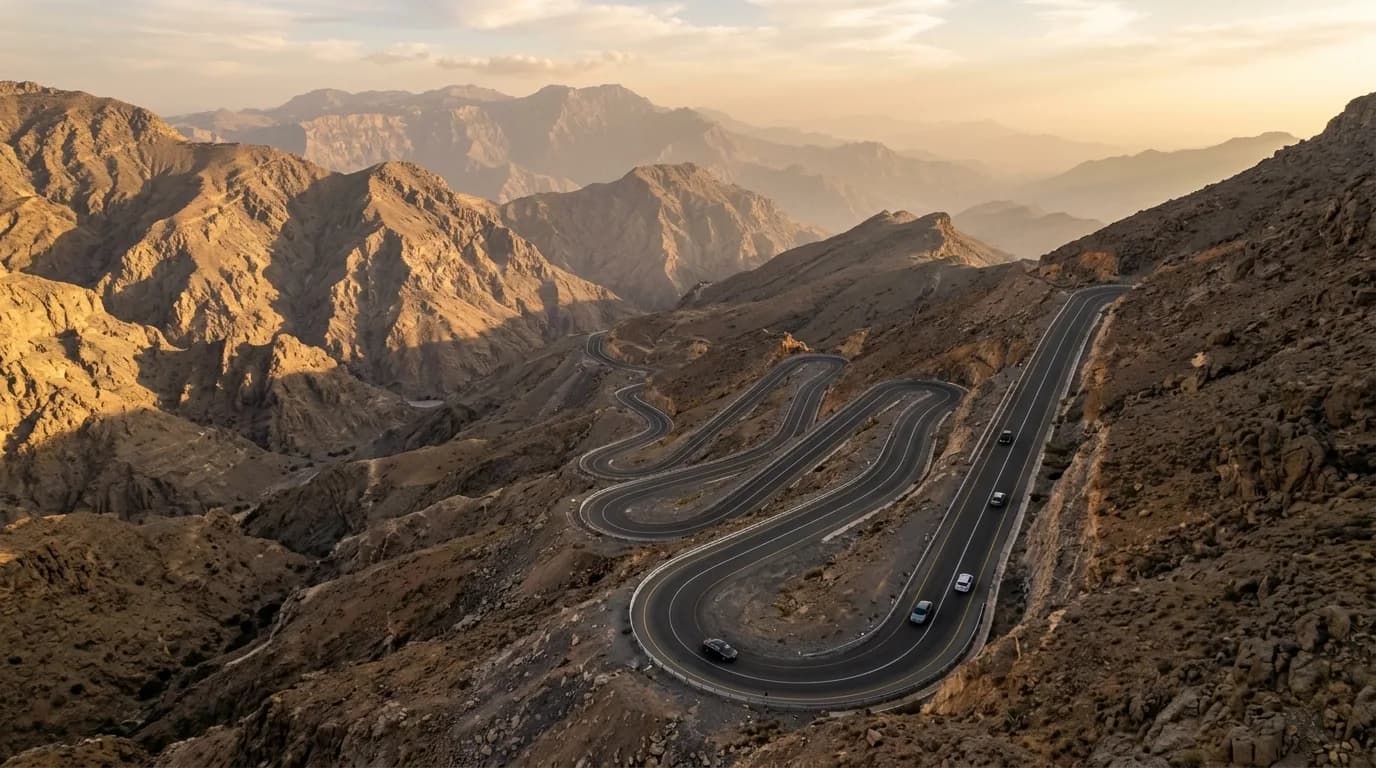
Winter fills the UAE's mountain roads. Jebel Jais in Ras Al Khaimah, the Hatta roads in Dubai and Jebel Hafeet in Al Ain are an easy drive from the cities, and on a cool weekend they are busy with cars, cyclists and families. Mountain driving in the UAE is mostly about the way down: brakes that feel fine in town can fade halfway through a long descent.
Last checked on 15 November 2026. Limits, closures and fines are set by each emirate's police and roads authority, and the signs on the road always take priority. For sand, fog, rain and trailers, see our guides to desert driving, fog, rain and wadis and towing.
Three mountain roads, three different drives
- Jebel Jais, Ras Al Khaimah. The country's highest mountain; the official visitor site puts the Jais Viewing Deck Park at 1,250 metres. Ras Al Khaimah Police have said the road is busy at weekends and on public holidays, and that some motorists speed there "at dangerously high levels".
- Hatta, Dubai. A Gulf News motoring writer finds the climbs gentler, but warns that winter weekends get crowded, especially near the dam.
- Jebel Hafeet, Al Ain. Gulf News puts the road at 11.7 km with 60 curves, on a mountain of 1,240 metres, Abu Dhabi's highest peak.
Mountain driving downhill: how brakes fade
Brakes stop a car by turning its speed into heat. Held on for kilometre after kilometre, they cannot shed that heat fast enough. Brake maker Brembo describes two ways this ends:
- Fade. The pads overheat and braking efficiency temporarily drops.
- Vapour lock. The brake fluid boils and forms vapour bubbles in the circuit. Brake fluid absorbs moisture from the air, and water lowers its boiling point "dramatically", so old fluid gives up sooner.
Let the engine do the work. Michelin's advice is to use engine braking rather than riding the brake pedal: in a manual, engage a lower gear before the descent begins; in an automatic, use the manual mode or an engine-brake or grade setting if fitted. Keep the foot brake for extra slowing, such as before a hairpin. Kia's manual for its Tasman pickup tells owners who tow to shift down on a long or steep grade and not to apply the brakes continuously, "as this can cause overheating and reduce braking performance".
Signs of hot brakes, and what to do
Brembo lists the warning signs: a pungent, burning smell from the wheels; a pedal that feels softer or spongier than normal, or travels further; and braking that weakens during or after a long downhill stretch.
If you notice any of them, do not press harder and carry on. Brembo's advice is to reduce speed gradually with engine braking and reach a place where you can stop and let the brakes cool: a viewpoint or lay-by, not the edge of a bend. If the pedal does not return to normal, call for recovery. Afterwards, have pads, discs and fluid checked; Brembo recommends changing brake fluid every two years, or as the vehicle maker specifies.
Climbing in the heat with a loaded car or trailer
On the way up, the strain moves to the engine and cooling system, and grows with every passenger and roof box. Kia's 2026 Sorento manual warns that when towing, overheating "might occur on hot days or while driving uphill"; if the coolant gauge shows it, turn off the air conditioner and stop somewhere safe to let the engine cool. Watch the gauge on the climb, and stay inside your payload and towing limits (see our guides to roof loads and towing). Every extra kilo must also be stopped on the way down: Brembo lists avoiding overloading among the ways to prevent fade.
Hairpins, overtaking and speed limits
Michelin's advice is to slow down before a turn and never to speed or pass in sharp turns where you may not see oncoming vehicles. Stay in your own lane through a hairpin, even if that means a slower, wider line. Where a road is too narrow for two, Michelin notes the convention in many countries that the vehicle heading uphill has priority, because it is harder to restart on a gradient.
From 1 January 2027 this is written into the new executive traffic regulations. As Gulf News reports Article 21 of Cabinet Decision No. 174 of 2026, overtaking is banned on curves, inclines, slopes and slippery roads, across continuous lines and wherever visibility is insufficient, however much space the driver thinks there is (see our 2027 traffic rules guide).
- Jebel Jais. Ras Al Khaimah Police installed radars on the road leading to the mountain in 2018, when Gulf News reported a 120 km/h limit. We found no newer published figure, so follow the signs.
- Hatta. The RTA and Dubai Police cut the limit on about 6 km of the Dubai-Hatta Road, between Dubai, Ajman and Al Hosn Roundabout, from 100 to 80 km/h in January 2023.
- Jebel Hafeet. We found no published limit for the mountain road; the signs decide.
Cyclists, hikers and where to stop
Jebel Hafeet draws road cyclists: in a pilot reported by iRAP in October 2024, the consultancy FACTUAL and the Abu Dhabi Cycling Club assessed every segment of the road for cyclist safety, and Gulf News's winter-drives guide tells motorists there to watch for them. In Abu Dhabi, groups who cycle long distances on roads with speeds above 80 km/h need a police permit and an escort vehicle with hazard lights. A slow car with its hazards on at the back of a climb may be shielding riders: wait for a clear view and a legal place to pass, then give them room. Near viewpoints and trailheads, slow right down where cars are parked: people step out between them.
Stop only in a designated viewpoint or car park, never on the carriageway for a photo. Abu Dhabi Police have warned that stopping in the middle of the road without a valid reason carries a AED 1,000 fine and six black points.
Fog, low cloud, rain and rockfall
Michelin notes that mountain weather can turn from clear to fog or rain within a short climb, and that cold air lowers tyre pressure, so check pressures at the top if the summit is much cooler than the plain.
- Fog and cloud. Check the National Centre of Meteorology's forecast before you leave. In cloud, use dipped beams and fog lamps, slow down and keep hazards off while moving (our fog guide explains why).
- Rain. Ras Al Khaimah Police closed the Jebel Jais road during unstable weather in December 2022 and urged motorists to avoid valleys. In March 2026, Dubai Police told drivers in Hatta not to cross flooded areas or enter valleys during heavy rain. Our rainy-season guide lists the wadi fines.
- Rockfall. After the December 2025 storms, crews were clearing a rockslide at Jebel Jais on 19 December, and Ras Al Khaimah authorities suspended operations there, with temporary road closures, for safety inspections. After rain, expect stones on the road, never park under a rock face, and turn back from a closed road.
A short pre-trip check
- Brakes. Michelin advises testing the brakes and checking the fluid before setting off, and Brembo says excessive pad and disc wear increases the risk of fading. A pedal that already feels soft at home needs fixing first.
- Tyres. Pressures set cold to the door-pillar label, tread and sidewalls checked, the spare inflated. Our summer car care guide covers tyre age and pressure.
- Coolant. Correct level when cold, no leaks, the fan working.
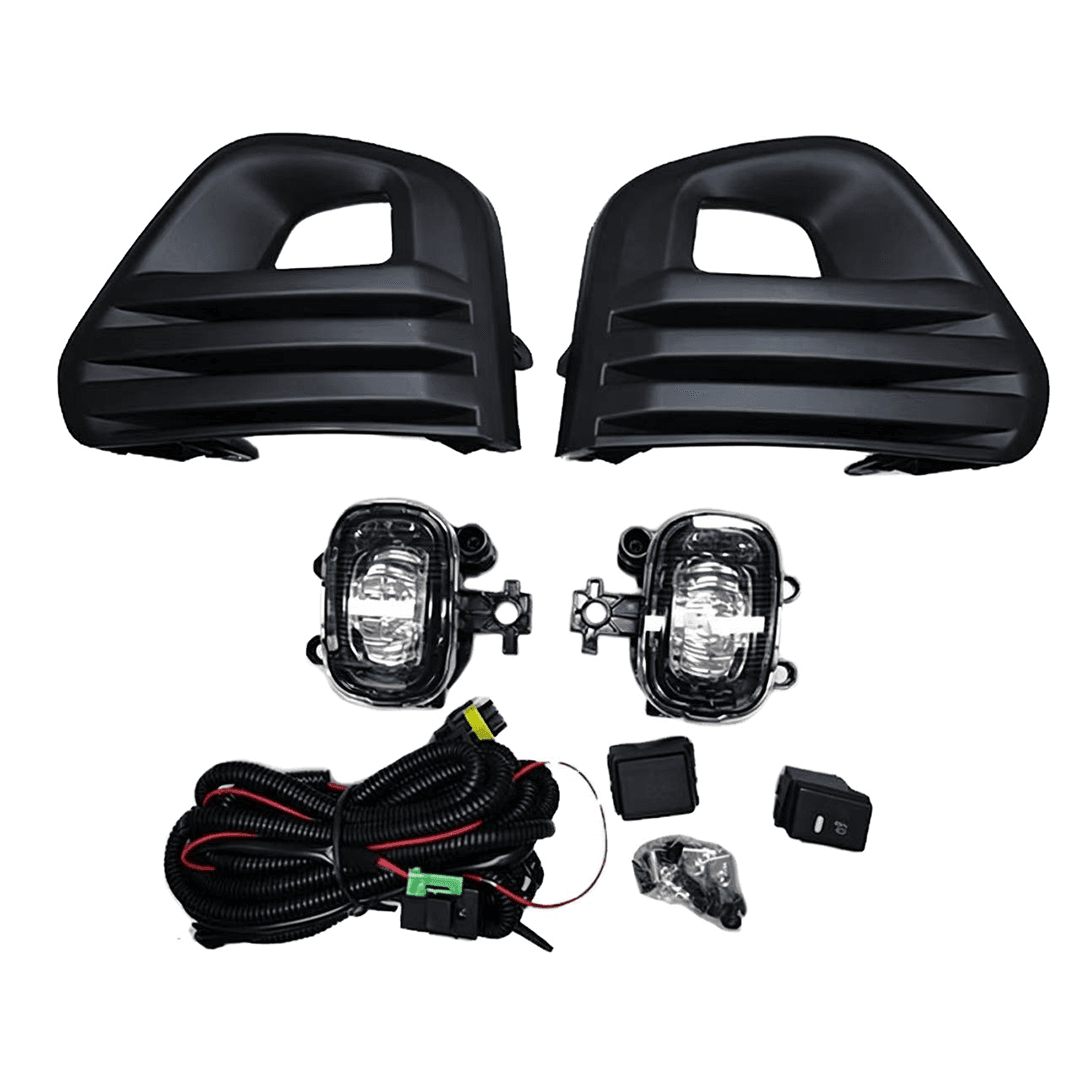
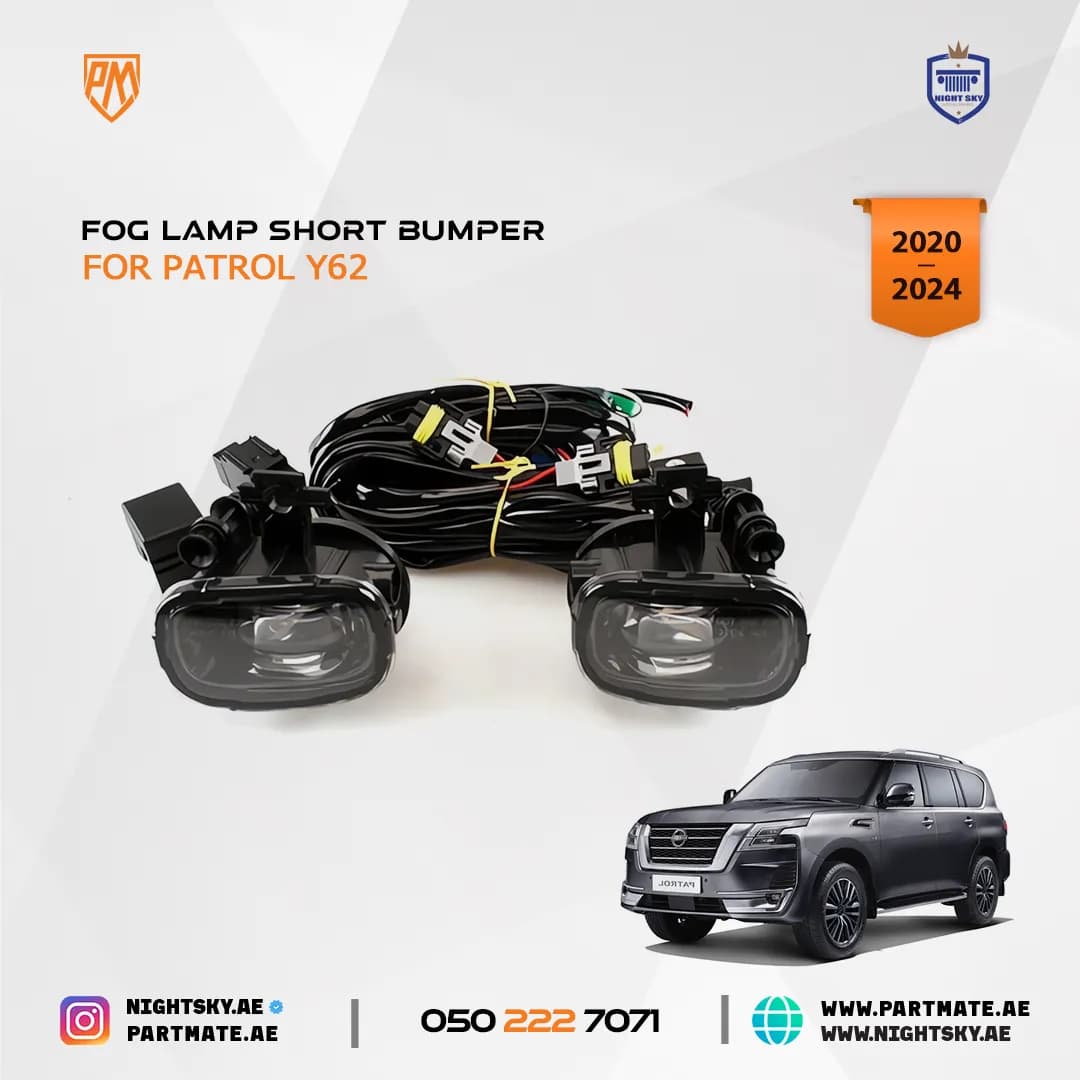
- Lights. Dipped beams, brake lights and fog lamps working and aimed. Replacements are in Fog Lights, such as this Land Cruiser LC300 LED fog light kit or Patrol Y62 LED fog lights.
- Fuel. Fill up before the climb: Michelin points out that mountain driving uses more fuel and service stations are often further apart.
Sources
- Visit Jebel Jais — Jais Viewing Deck Park (official destination site, season 2025/26).
- Gulf News — Radars installed near popular UAE tourist hotspot (Ras Al Khaimah Police; updated 5 November 2018).
- Gulf News — Al Ain's Jebel Hafeet (21 October 2026) and UAE's most rewarding winter drives (14 January 2026).
- RTA Dubai — RTA reduces speed limit on a sector of Dubai-Hatta Road to 80 km/h (12 January 2023).
- Brembo — Brake fading and vapour lock: two problems compared (20 October 2026).
- Michelin — Driving in the Mountains (4 November 2020, updated 15 July 2026).
- Kia owner's manuals — 2026 Tasman: recommended practices for towing a trailer and 2026 Sorento (US): maintenance when towing a trailer.
- Gulf News — UAE's new 2027 traffic rules: when overtaking is allowed and prohibited (1 November 2026).
- iRAP — FACTUAL and Abu Dhabi Cycling Club expand CycleRAP to the Middle East (13 October 2024); Abu Dhabi Media Office — Abu Dhabi Police launches an electronic road permit service for amateur cyclists (22 August 2021).
- Gulf News — Abu Dhabi Police: Dh1,000 fine, six black points for unjustified road stoppage (17 November 2023).
- Gulf News — Rains cause closure of road to UAE's highest mountain Jebel Jais (27 December 2022) and Dubai Police deploy patrols, warn against crossing flooded areas and hiking (26 March 2026).
- The National — Jebel Jais mountain in RAK temporarily closed following UAE storms (23 December 2025).
PartMate sells car parts and accessories. This guide is general driving advice, not legal or engineering advice: the police and roads authority of the emirate you are driving in decide limits, closures and fines, and your vehicle's owner's manual governs its gears, loads and maintenance.
Parts in this guide
All 47 fog lights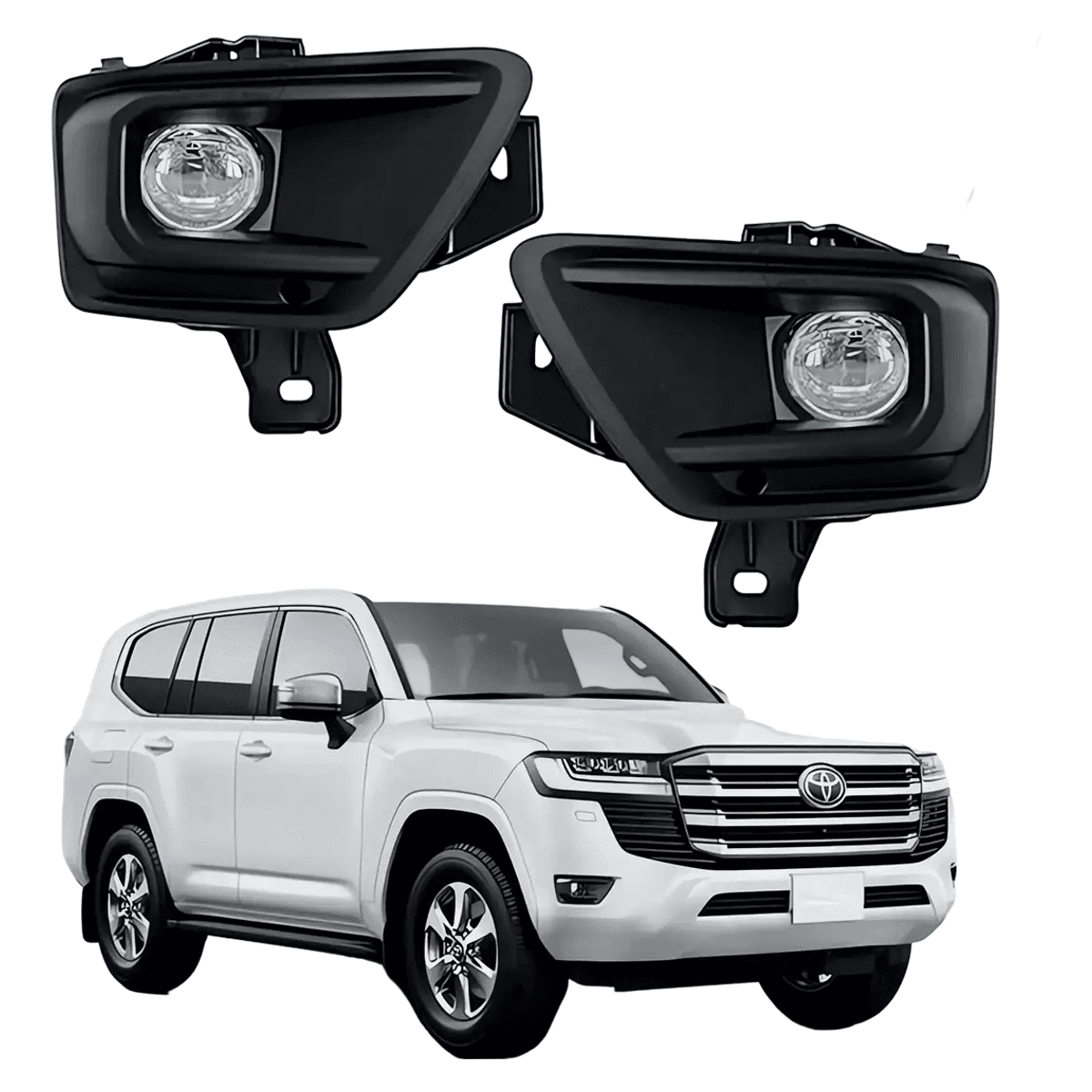

Not sure what fits your car?
Send us your make, model and year — we check fitment before you pay, and we would far rather answer a question than process a return.
Keep reading
 Driving & Safety8 min readChild Car Seats in the UAE: The Law, the Right Seat for Each Age and How to Fit It
 Driving & Safety4 min readRainy Season in the UAE: Driving in Rain, Flooded Roads and Wadis — and the Fines
 Driving & Safety4 min readFog Season in the UAE: How to Drive Safely and Use Your Fog Lights Correctly